
In electroplating and metal finishing industries, every component of the production process plays a crucial role in ensuring quality, efficiency, and durability. Among these components, FRP (Fiber Reinforced Plastic) and PVC (Polyvinyl Chloride) tanks have become indispensable for handling chemicals, storing solutions, and supporting electroplating operations.
For over two decades, Rishit Engineering, established in 2000 in Howrah, West Bengal, has been a trusted manufacturer of high-quality electroplating and metal finishing machinery. The company’s expertise in manufacturing durable and precision-engineered FRP and PVC tanks has helped industries across India achieve reliable and long-lasting operational performance.
The Role of Tanks in Electroplating Plants
Electroplating is a process that involves coating a metal surface with a thin layer of another metal to enhance corrosion resistance, appearance, conductivity, or wear resistance. This process requires the use of various chemical solutions, including acids, alkalis, and plating baths.
Since these chemicals can be highly corrosive, the tanks used in electroplating plants must be capable of withstanding harsh conditions without degrading over time. FRP and PVC tanks are specifically designed to meet these demanding requirements, making them ideal choices for electroplating and metal finishing applications.
What Are FRP and PVC Tanks?
FRP tanks are made from fiber-reinforced plastic, a composite material known for its high strength, lightweight properties, and excellent resistance to corrosion. These tanks are widely used in industries where chemical resistance and structural durability are essential.
PVC tanks, on the other hand, are made from polyvinyl chloride, a thermoplastic material that offers outstanding resistance to many corrosive chemicals. PVC tanks are commonly used in electroplating plants for storing and handling chemical solutions safely and efficiently.
Benefits of FRP Tanks in Electroplating Plants
- Excellent Chemical Resistance: FRP tanks can withstand exposure to a wide range of corrosive chemicals used in electroplating processes, ensuring long service life and reliable performance.
- High Strength and Durability: Despite being lightweight, FRP tanks offer remarkable structural strength, making them suitable for demanding industrial environments.
- Low Maintenance Requirements: FRP tanks are resistant to rust, corrosion, and weathering, reducing the need for frequent repairs and maintenance.
- Customizable Design: FRP tanks can be manufactured in various sizes and configurations to meet the specific requirements of different electroplating plants.
Benefits of PVC Tanks in Electroplating Plants
- Resistance to Corrosive Chemicals: PVC tanks are highly resistant to acids, alkalis, and other chemicals commonly used in electroplating operations.
- Cost-Effective Solution: PVC tanks provide an economical option for industries seeking reliable chemical storage and process handling systems.
- Ease of Fabrication and Installation: PVC material is easy to fabricate, allowing for quick production and installation of tanks tailored to specific plant requirements.
- Smooth Internal Surface: The smooth surface of PVC tanks helps prevent the accumulation of residues, making cleaning and maintenance easier.
Applications of FRP and PVC Tanks in Electroplating
FRP and PVC tanks are used in various stages of electroplating and metal finishing processes, including:
- Chemical storage tanks for acids, alkalis, and plating solutions.
- Electroplating bath tanks for coating metal components.
- Rinsing tanks for cleaning plated parts.
- Process tanks for handling different stages of metal finishing operations.
- Waste treatment tanks for managing chemical by-products safely.
Their versatility and reliability make FRP and PVC tanks essential components in maintaining smooth and efficient electroplating operations.
Why Industries Prefer FRP and PVC Tanks
Industries involved in electroplating and metal finishing prefer FRP and PVC tanks because they provide a combination of durability, chemical resistance, cost-effectiveness, and operational efficiency. These tanks help minimize downtime, reduce maintenance costs, and ensure safe handling of corrosive chemicals.
Moreover, the use of high-quality FRP and PVC tanks contributes to maintaining consistent plating quality, which is critical for industries such as automotive, electronics, hardware, and manufacturing.
Rishit Engineering’s Commitment to Quality
Since its establishment in 2000, Rishit Engineering has built a strong reputation for manufacturing durable and precision-engineered electroplating and metal finishing machinery. The company’s product range includes polishing drums, immersion barrels, dryer units, FRP/PVC tanks, and other custom-built equipment.
Rishit Engineering understands the unique challenges faced by electroplating plants and designs its FRP and PVC tanks to deliver long-lasting performance, reliability, and safety. By using quality materials and adhering to stringent manufacturing standards, the company ensures that its tanks meet the specific requirements of industrial applications.
Conclusion
FRP and PVC tanks play a vital role in the success of electroplating and metal finishing operations. Their ability to resist corrosive chemicals, provide structural durability, and support efficient process handling makes them ideal choices for electroplating plants.
For industries seeking dependable and high-quality FRP and PVC tanks for electroplating plants, Rishit Engineering stands out as a trusted manufacturing partner. With over two decades of experience, a commitment to innovation, and a focus on customer satisfaction, Rishit Engineering continues to provide reliable machinery solutions that support industrial growth across India.
Related Posts
Why Industrial Filtration Systems Matter More Than Most Manufacturers Realize
When people think about manufacturing, they usually picture large machines,…
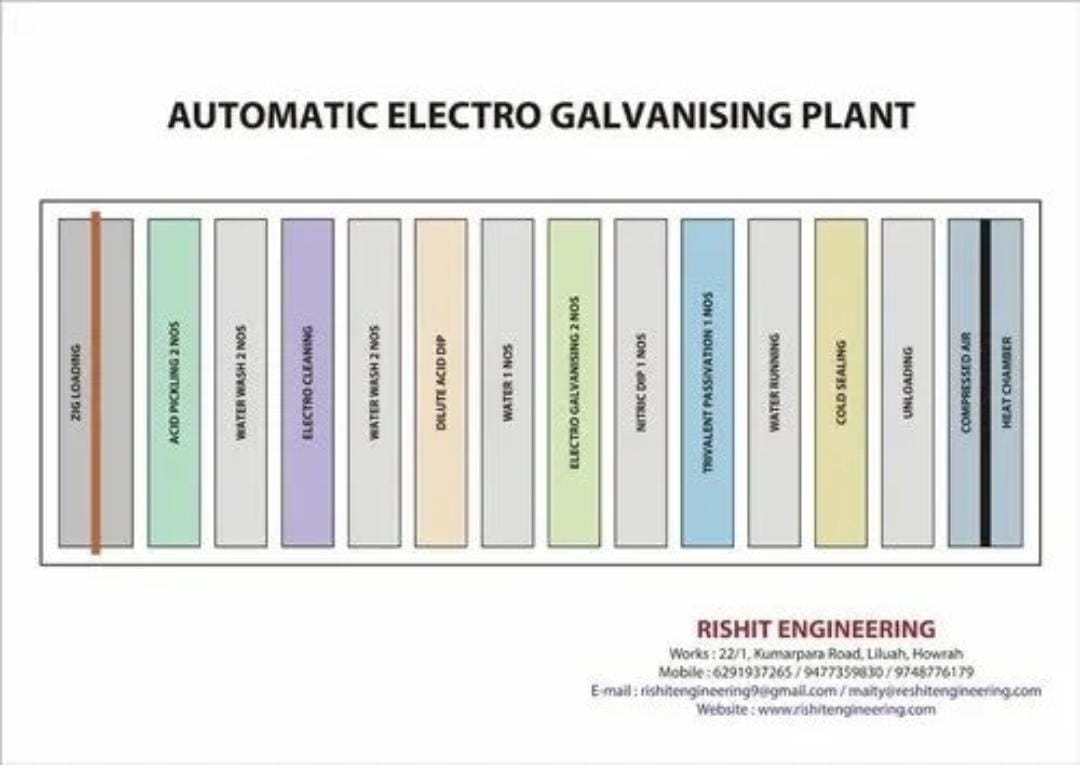
Automatic Electrogalvanizing Plant – Process, Features, Benefits & Industrial Applications
he demand for corrosion-resistant, high-quality metal components has grown rapidly…
How to Select a Reliable Industrial Machinery Manufacturer in West Bengal
Choosing the right industrial machinery manufacturer is an important decision…