
Introduction
Barrel Plating vs. Rack Plating are two common electroplating methods you’ve probably come across if your business relies on electroplating.. Both are widely used across industries, but choosing the right one can make a big difference in product quality, production speed, and overall costs.
So, how do you know which process is right for your application?
The answer depends on factors like the size of your components, the finish you need, and the number of parts you produce. In this guide, we’ll explain the differences between barrel plating and rack plating in simple terms so you can make an informed decision.
What Is Barrel Plating?
Barrel plating is commonly used when manufacturers need to plate a large number of small metal parts at the same time. Components such as screws, nuts, bolts, washers, and electrical connectors are placed inside a specially designed rotating barrel. As the barrel slowly turns inside the plating solution, every part is evenly exposed to the coating.
Because many components are processed together, barrel plating is one of the most economical and efficient methods for high-volume production.
Why manufacturers choose barrel plating
- Perfect for processing thousands of small parts in one batch.
- Reduces production costs.
- Saves time during large-scale manufacturing.
- Delivers consistent plating for durable components.
- Works well with automated production systems.
If speed and cost efficiency are your priorities, barrel plating is often the preferred choice.
What Is Rack Plating?
Rack plating works differently. Instead of allowing parts to tumble together, each component is carefully attached to a rack before being placed into the plating bath.
This keeps the parts separated throughout the process, preventing scratches and ensuring a smooth, even finish. Rack plating is typically used for larger, delicate, or complex components where appearance and precision matter most.
You’ll often find this method being used for automotive trim, decorative hardware, medical equipment, and precision-engineered products.
Benefits of rack plating
- Excellent surface finish.
- Better control over coating thickness.
- Ideal for delicate or uniquely shaped parts.
- Reduces the risk of damage during plating.
- Produces high-quality decorative finishes.
Although rack plating usually takes more time than barrel plating, it provides exceptional results for components that require extra care.
Barrel Plating vs. Rack Plating: What’s the Difference?
The biggest difference comes down to how the parts are handled.
In barrel plating, components move freely inside a rotating barrel, making it ideal for bulk production. In rack plating, each part remains fixed in position, allowing for greater precision and a higher-quality finish.
Think of it this way:
If you’re producing thousands of identical fasteners every day, barrel plating is usually the smarter option.
If you’re manufacturing premium components where appearance is critical, rack plating is worth the additional time and investment.
Why the Right Equipment Makes All the Difference
No matter which plating method you choose, the quality of your equipment has a direct impact on the final result.
Reliable electroplating machinery helps maintain consistent coating thickness, improves production efficiency, reduces downtime, and ensures smooth day-to-day operations.
At Rishit Engineering, we’ve been manufacturing electroplating and metal finishing machinery since 2000. Our product range includes:
- Immersion Barrels
- Polishing Drums
- FRP Tanks
- PVC Tanks
- Dryer Units
- Custom-built Electroplating Equipment
Every machine is designed with durability, precision, and long-term performance in mind, helping manufacturers achieve reliable results year after year.
Final Thoughts
There isn’t a one-size-fits-all answer when it comes to barrel plating and rack plating. The right choice depends on your production goals.
If your focus is high-volume production with lower costs, barrel plating is an excellent solution. If your products demand precision, appearance, and careful handling, rack plating is likely the better option.
Understanding your production requirements—and investing in dependable equipment—is the key to achieving consistent quality and improving operational efficiency.
If you’re looking for reliable electroplating machinery that delivers long-lasting performance, Rishit Engineering is here to help with practical, customized solutions for your business.
Related Posts
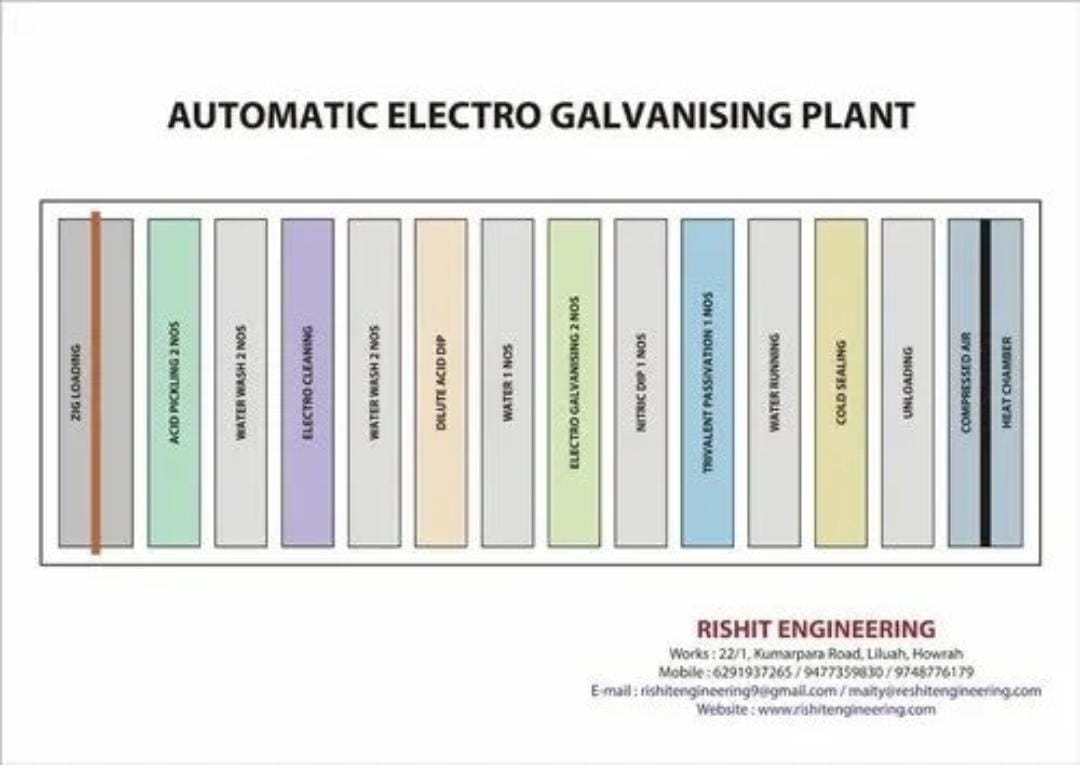
Automatic Electrogalvanizing Plant – Process, Features, Benefits & Industrial Applications
he demand for corrosion-resistant, high-quality metal components has grown rapidly…
Why Industrial Filtration Systems Matter More Than Most Manufacturers Realize
When people think about manufacturing, they usually picture large machines,…
How to Select a Reliable Industrial Machinery Manufacturer in West Bengal
Choosing the right industrial machinery manufacturer is an important decision…