
When people think about manufacturing, they usually picture large machines, production lines, and skilled workers operating complex equipment. While all of these are important, there’s another component quietly working behind the scenes that often doesn’t get the attention it deserves: industrial filtration.
In many industries, filtration is not just a supporting system—it’s a critical part of maintaining quality, efficiency, and reliability. Whether you’re involved in electroplating, chemical processing, metal finishing, or surface treatment, the condition of your filtration system can directly impact your production results.
Unfortunately, many businesses only start paying attention to filtration when problems begin to appear. Reduced efficiency, inconsistent product quality, increased maintenance costs, and unexpected downtime are often signs that filtration is no longer doing its job effectively.
The Hidden Cost of Contamination
Every industrial process generates some level of contamination. Small particles, debris, chemical residues, and impurities can gradually build up within process liquids and solutions.
At first, these contaminants may seem insignificant. However, over time, they can create serious challenges. Contaminated solutions can affect the quality of finished products, reduce equipment performance, and increase wear on critical components.
Imagine investing significant resources into production only to discover that the final product does not meet quality standards because contaminants affected the process. Such issues can lead to customer complaints, product rework, and financial losses.
This is where a reliable industrial filtration system becomes essential.
Why Product Quality Depends on Proper Filtration
Today’s customers expect consistency. Whether a company manufactures industrial components, plated products, or chemical-based materials, quality must remain consistent from one batch to the next.
Filtration systems help maintain clean processing environments by removing unwanted particles before they interfere with production.
For example, in electroplating operations, even minor contamination can impact the appearance and performance of the final finish. In chemical processing plants, impurities can affect chemical reactions and lead to inconsistent results.
By maintaining cleaner process solutions, manufacturers can achieve higher-quality products while reducing the risk of defects.
Protecting Valuable Equipment
Industrial equipment represents a major investment for any manufacturing business. Pumps, barrels, filtration units, polishing machines, and processing systems all require proper care to operate efficiently.
When contaminants circulate through equipment, they can accelerate wear and damage sensitive components. Over time, this can result in costly repairs and reduced equipment lifespan.
A well-designed filtration system acts as a protective barrier. By removing harmful particles before they reach critical equipment, filtration helps reduce maintenance requirements and improve long-term reliability.
This not only saves money but also helps manufacturers avoid disruptions that can affect production schedules.
Reducing Downtime and Improving Productivity
Unexpected downtime is one of the biggest challenges facing manufacturers today. Every hour of production loss can impact deadlines, customer satisfaction, and profitability.
Many equipment failures can be traced back to contamination issues. Clogged systems, damaged pumps, and inefficient operations often occur when filtration is inadequate.
Reliable filtration helps keep production processes running smoothly by maintaining clean operating conditions. When equipment performs efficiently, businesses can focus on meeting production goals rather than dealing with frequent maintenance issues.
For manufacturers seeking to improve productivity, filtration should be viewed as a proactive investment rather than an expense.
Choosing the Right Filtration Solution
Not all industrial filtration systems are the same. Different industries have unique requirements, and selecting the right equipment is essential.
Several factors should be considered when choosing a filtration system:
- The type of process liquid being filtered
- The level of contamination present
- Required flow rates
- Operating temperatures
- Chemical compatibility
- Maintenance requirements
Working with an experienced manufacturer can help businesses identify the most suitable filtration solution for their specific applications.
Customized filtration systems are often the best option because they are designed around actual operational needs rather than generic specifications.
Working with an experienced manufacturer can help businesses identify the most suitable filtration solution for their specific applications.
Customized filtration systems are often the best option because they are designed around actual operational needs rather than generic specifications.
Manufacturing is becoming increasingly competitive. Companies are constantly looking for ways to improve efficiency, reduce waste, and optimize performance.
Industrial filtration supports all of these objectives.
Cleaner process fluids help reduce material waste, improve production consistency, and extend equipment life. These benefits contribute directly to lower operating costs and better overall performance.
As industries continue adopting more advanced technologies, the importance of maintaining clean and controlled production environments will only increase.
Businesses that invest in reliable filtration systems today are positioning themselves for greater success in the future.
Looking Beyond the Equipment
One common misconception is that filtration is simply another piece of equipment on the factory floor. In reality, it plays a much larger role.
Effective filtration influences product quality, operational efficiency, maintenance costs, equipment longevity, and customer satisfaction. It impacts nearly every stage of the manufacturing process.
Rather than waiting for contamination problems to occur, successful manufacturers take a proactive approach. They understand that preventing issues is far more cost-effective than solving them after they appear.
Final Thoughts
Industrial filtration systems may not always be the most visible part of a manufacturing operation, but they are undoubtedly among the most important.
By maintaining cleaner process solutions, protecting valuable equipment, reducing downtime, and improving product quality, filtration systems provide benefits that extend throughout an entire facility.
For manufacturers looking to improve efficiency, reduce operational costs, and maintain high production standards, investing in quality filtration solutions is a smart long-term decision.
In today’s competitive industrial landscape, businesses that prioritize reliability and performance are the ones that continue to grow—and effective filtration remains one of the key foundations of that success.
Related Posts
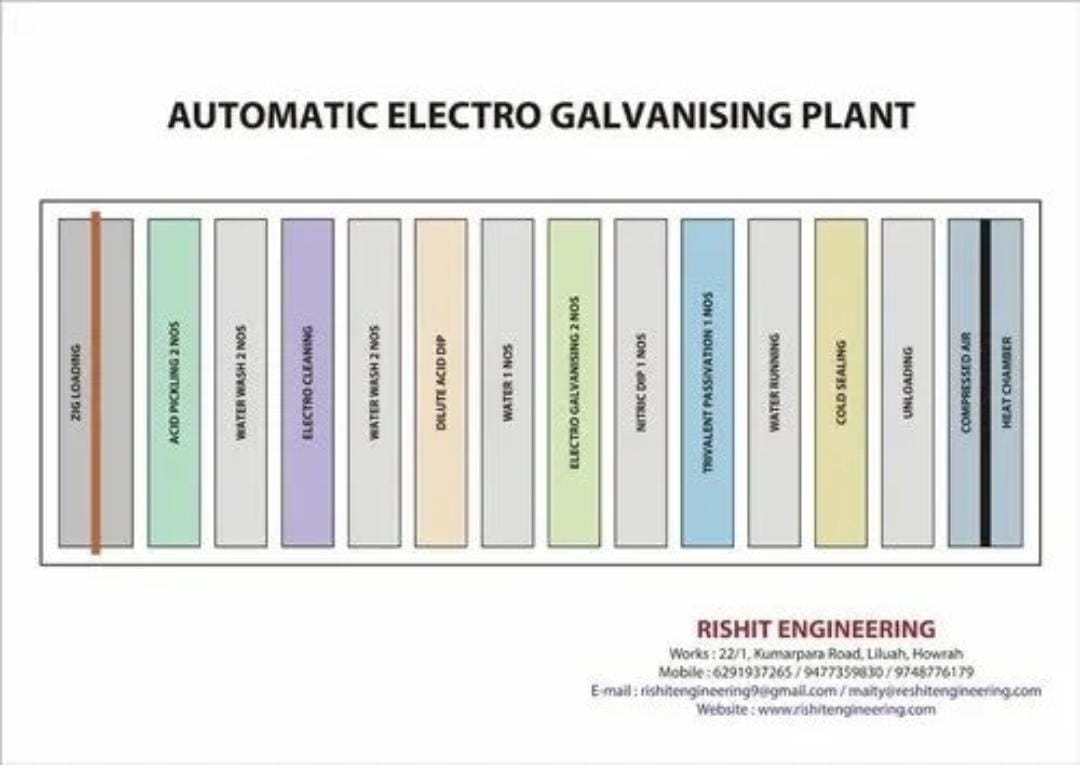
Automatic Electrogalvanizing Plant – Process, Features, Benefits & Industrial Applications
he demand for corrosion-resistant, high-quality metal components has grown rapidly…
How to Select a Reliable Industrial Machinery Manufacturer in West Bengal
Choosing the right industrial machinery manufacturer is an important decision…

How to Choose the Right Engineering Partner for Your Project
When planning an industrial project, choosing the right engineering partner…